Author name: tafikatravela

Blog

Best Time to Visit Malawi

Malawi, often referred to as the “Warm Heart of Africa,” is a hidden gem for safari enthusiasts. With its stunning landscapes, diverse wildlife, and welcoming locals, Malawi offers a unique safari experience that stands out from the crowd. But when is the best time to visit Malawi for the ultimate adventure? In this guide, we’ll explore everything you need to know to plan your trip, including the ideal seasons, wildlife sightings, and what makes Malawi a must-visit destination.
At Tafika Travel Advisor, we specialize in crafting unforgettable safari experiences. Whether you’re a first-time traveler or a seasoned explorer, our expertise ensures you’ll have the trip of a lifetime. Let’s dive into the details!
Why Visit Malawi for a Safari?
Malawi is a paradise for nature lovers. From the crystal-clear waters of Lake Malawi to the rugged peaks of Mount Mulanje and the untamed wilderness of its national parks, this country has it all. Here’s what makes Malawi special:
– Rich Biodiversity: Malawi is home to a wide variety of wildlife, including elephants, lions, leopards, and rare bird species.
– Less Crowded: Unlike more popular safari destinations, Malawi offers a more intimate and exclusive experience.
– Affordable: Malawi is one of the most budget-friendly safari destinations in Africa.
– Cultural Experiences: Interact with local communities and learn about their traditions and way of life.
Best Time to Visit Malawi for Safari
The best time to visit Malawi largely depends on what you want to experience. Malawi has a subtropical climate with distinct wet and dry seasons. Here’s a breakdown:
1. Dry Season (May to October)
The dry season is widely regarded as the best time to visit Malawi for wildlife viewing. During this period:
– Weather: Days are sunny and warm, with little to no rainfall.
– Wildlife Sightings: Animals gather around water sources, making them easier to spot.
– Activities: Ideal for game drives, walking safaris, and birdwatching.
Highlights:
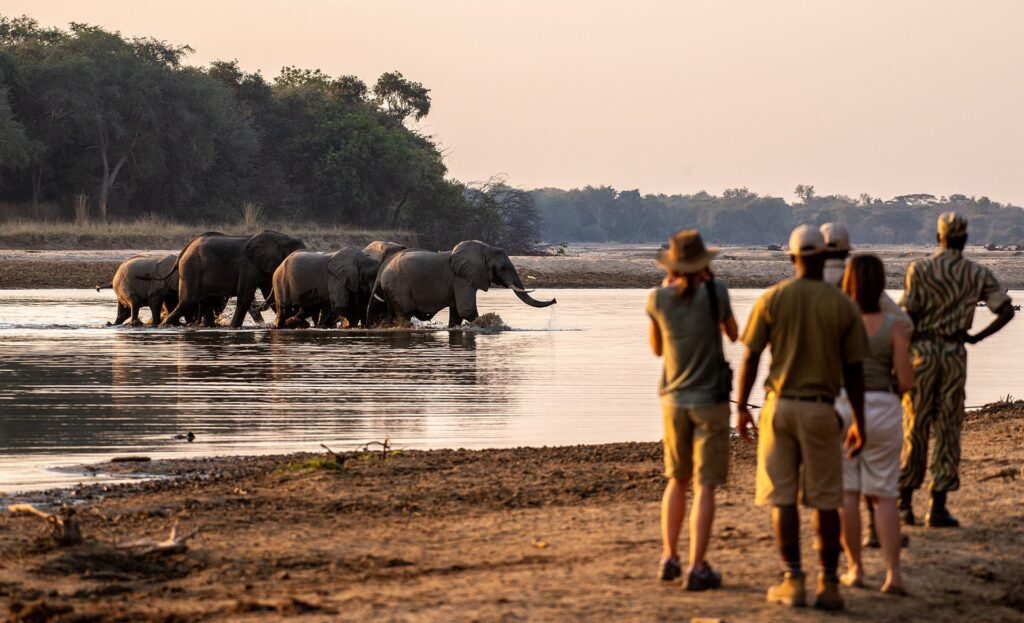
– Liwonde National Park: Spot elephants, hippos, and crocodiles along the Shire River.
– Majete Wildlife Reserve: Known for its successful conservation efforts, Majete is home to the Big Five.
– Lake Malawi: Enjoy water activities like snorkeling and kayaking in clear, calm waters.
2. Wet Season (November to April)
The wet season transforms Malawi into a lush, green paradise. While wildlife viewing can be more challenging, this season has its own unique charm:
– Weather: Warm and humid with occasional thunderstorms.
– Wildlife Sightings: Birdwatching is at its peak, with migratory species flocking to the region.
– Activities: Perfect for photography and exploring the vibrant landscapes.
Highlights:
– Nyika National Park: Witness rolling green hills and unique flora and fauna.
– Nkhotakota Wildlife Reserve: A great spot for birdwatching and seeing antelopes.
– Lake Malawi: The lake’s beaches are less crowded, offering a tranquil escape.

Wildlife You Can Expect to See in Malawi
Malawi’s national parks and reserves are teeming with wildlife. Here’s what you can expect to see during your safari:
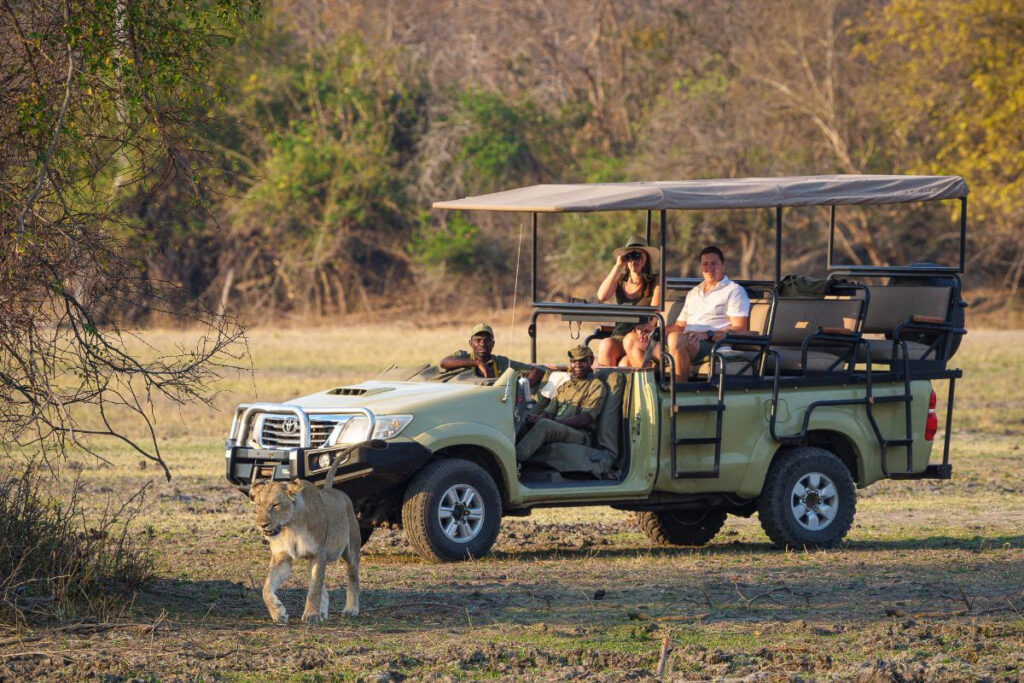
– Big Five: While Malawi is not traditionally known for the Big Five, Majete Wildlife Reserve has successfully reintroduced lions, leopards, elephants, rhinos, and buffalos.
– Hippos and Crocodiles: Commonly seen in Liwonde National Park along the Shire River.
– Birdlife: Malawi is a birdwatcher’s paradise, with over 650 species, including the African fish eagle and Pel’s fishing owl.
– Antelopes: Nyika National Park is home to roan and eland antelopes.
What Makes Malawi Unique?
Malawi’s charm lies in its diversity and authenticity. Here’s what sets it apart:
– Lake Malawi: A UNESCO World Heritage Site, the lake is perfect for water sports, relaxation, and exploring its unique cichlid fish species.
– Community Involvement: Many safari lodges and tours in Malawi are community-run, ensuring your visit benefits local communities.
– Scenic Landscapes: From highland plateaus to lowland savannas, Malawi’s landscapes are breathtaking.
Tips for Planning Your Malawi Safari
1. Book Early: The dry season is the most popular time to visit, so secure your accommodations and tours in advance.
2. Pack Smart: Bring lightweight clothing for the day and warm layers for cooler evenings. Don’t forget sunscreen, insect repellent, and a good camera.
3. Choose the Right Tour Operator: At Exploring Safaris, we offer tailored itineraries that cater to your interests and ensure a seamless experience.
4. Respect Local Customs: Malawi is a culturally rich country. Take time to learn about local traditions and interact respectfully with communities.
Why Choose Tafika Travel Advisor?
At Tafika Travel Advisor, we pride ourselves on delivering exceptional safari experiences. Here’s why travelers trust us:
– Expert Guides: Our knowledgeable guides are passionate about wildlife and conservation.
– Customized Itineraries: We create personalized itineraries to match your preferences and budget.
– Sustainable Tourism: We are committed to eco-friendly practices and supporting local communities.
– Unmatched Hospitality: From start to finish, we ensure your trip is comfortable and memorable.
Final Thoughts
Malawi is a destination that captivates the heart and soul of every traveler. Whether you’re drawn to its wildlife, landscapes, or cultural experiences, the best time to visit Malawi is during the dry season for optimal safari conditions. However, the wet season offers its own unique beauty and opportunities for adventure.
Ready to embark on the safari of a lifetime? Contact Exploring Safaris today to start planning your dream trip to Malawi. Let us help you create memories that will last a lifetime!
Blog

How to get to Okavango Delta

Travelling to the Okavango Delta in Botswana
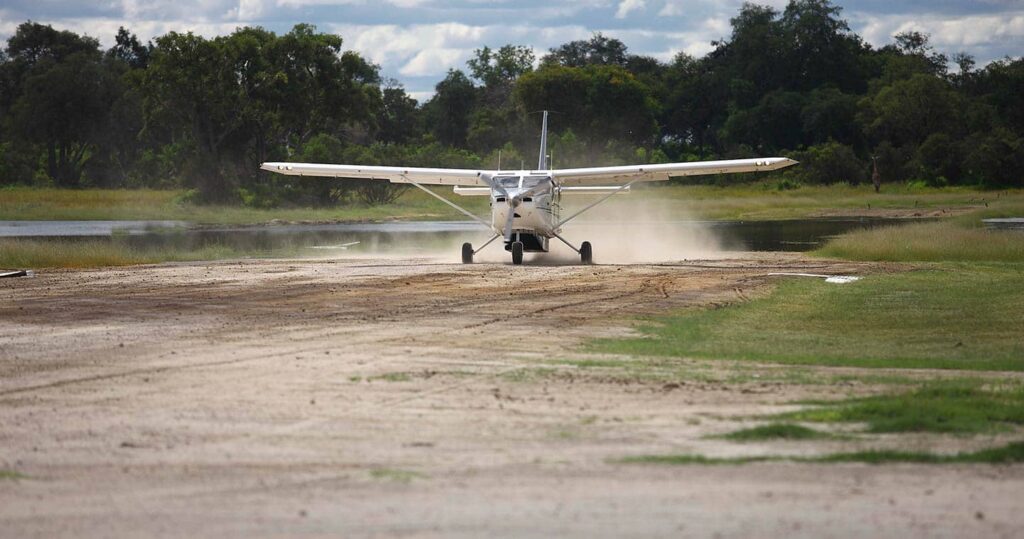
You will always start your Okavango Delta trip in Maun, the ‘tourist capital’ of Botswana and a relatively small (55.000 people) Kalahari town. To get there you fly via Johannesburg, Cape Town or Kasane. Once in Maun, the adventure begins as you hop on a small plane that transports you to your first accommodation. Look down during the flight and gaze at reeds beds, wildlife, palm tree islands and 10,000 square miles of waterways. Welcome to the Okavango Delta!

Getting to the Okavango Delta by air
International air travel
A couple flight possibilities are available for those travelling by air to the Okavango. Your port of entry is Maun International Airport (MUB). Maun has multiple daily connections with Johannesburg (Airlink and Air Botswana) and Cape Town (Airlink). More information about flights to and from Maun can be viewed on our Maun Okavango Delta Airport page.
Domestic air travel
It is also possible to travel domestically from Gabarone (GBE) to Maun (daily). Flights from Kanane (BBK) to Maun and return are offered twice a week (on Tuesdays and Thursdays) and are ideal for travellers visiting the Victoria Falls and Chobe National Park areas. More information about flights to and from Maun International can be viewed on our Maun Okavango Delta Airport page.
From Maun to your Okavango Delta accommodation
When arrived in Maun your Okavango Delta safari adventure really is about to begin. From here it is another 15 to 45 minutes short flight to your Okavango lodge or camp. Almost all onward connections to the Delta are operated by Mack Air. Once arrived at the airstrip, your choosen lodge will pick you and transfer you to your final destination where a cold drink will be ready and waiting.
Rates Mack Air shuttle flights Okavango Delta
Rates may vary depending on your destination in Moremi. As a general guideline the price for a seat in plane ticket is between US$ 220 and US$ 260 per person per way.
Shuttle flights to Okavango Delta lodges
The flights from Maun to your Okavango Delta lodge are operated as a shuttle service. As such these flights should not be considered as scheduled flights. Departure times and routings may vary depending on traveller requirements and local weather conditions. Flight times are subject to change without notice. Passengers travelling on a seat in plane basis may have up to two stops enroute to their destination.
Baggage restrictions
Shuttle flights to the Okavango Deltaare operated by means of small aircraft (e.g. Cessna Grand Caravan or Beechcraft 1900). As such, space for luggage on the aircraft is limited and the following allowance applies: you may carry 20 kgs (44lbs) per person in a soft duffel-type bag, this includes hand luggage and camera equipment. When you are carrying excess baggage Mack Air offers complementary baggage storage at Maun Airport (unless notified in advance). These limitations are strictly adhered to.

Visa information Botswana – travelling with children
Since South Africa introduced its stringent new child regulations on 01 June 2015 Botswana has followed suit by introducing similar regulations in respect of minors entering and exiting the country.
Unfortunately there is no official Botswana Government document outlining exactly what the regulations and requirements are. The key difference between South Africa and Botswana is South Africa requires an unabridged birth certificate whilst Botswana will accept either original birth certificate or a certified copy:
A single parent travelling with a child/children, without being accompanied by the other parent, must be able to prove they are the biological parent of the child by means of a birth certificate (original or a certified copy). There is no requirement for a consent to travel from the other parent.
If the parent has remarried and the name shown on the child’s birth certificate does not correspond with the name shown on the parent’s passport the parent must carry an original copy or certified copy of their marriage certificate.
Visitors entering Botswana from South Africa will be in possession of what we believe to be all the necessary documentation.
Visitors to Botswana from Zimbabwe or Zambia (who have not come from or are not continuing to South Africa), should preferably carry original documentation i.e birth certificate and/or marriage certificate but if this is not possible they must carry certified copies.

Blog

Zambia’s Tourism

🇿🇲 Zambia’s Tourism is Soaring to New Heights! 🌍💫

What a year for tourism! In 2024, international arrivals hit 2.2 million — double the numbers from 2022! 🙌 This massive leap is proof that Zambia is back and shining on the world stage 🌟 thanks to game-changing moves like visa waivers and strong international marketing.

🌿 Local tourism is thriving too! Over 530,000 Zambians explored our waterfalls, national parks, museums, and heritage sites — a huge jump from 312,000 in 2022. 🇿🇲❤️

🏨 Hotels in Livingstone are buzzing with life — occupancy rates are up to 70%, compared to just 40% before 2023! And guess what? Visitors are staying longer, with average stays increasing from 3 to 5 days — a clear sign that people are falling in love with everything Zambia has to offer. 🦁🌅

💡 Zambia is fast becoming a beacon of tourism in Southern Africa, attracting tourists and foreign exchange in fair competition with neighbors like Botswana, Namibia, and Zimbabwe. Why? Because of sweeping policy changes and more efficient business processes that have come with these shifts — making it easier to visit, invest, and experience the very best of Zambia. ✅✈️

🔥 The future is bright. Tourism is not just recovering — it’s thriving, and it’s helping power Zambia’s economic transformation. Let’s keep building, exploring, and showing the world the magic of our country! ✨💚

#ZambiaRising #TourismBoom #ExploreZambia #ProudlyZambian #ZambiaTheRealAfrica #VisitZambia #InvestInZambia

Blog

Filming Safari in Zambia

To film a safari in Zambia, you need media accreditation from the Zambian Ministry of Information, followed by filming permits for specific locations like national parks, which are processed by a local fixer. Prime filming locations include South Luangwa, Lower Zambezi, Kafue National Parks, and the Liuwa Plain, which offer diverse wildlife and landscapes. You can arrange private safaris with operators who provide specialized vehicles, beanbags, and guides with photography expertise.
Step-by-Step Guide
Obtain Media Accreditation:
Apply for media accreditation through the Zambian Ministry of Information to receive a general filming permit and media pass.
Secure a Local Fixer:
Hire a Zambian fixer to handle the complex process of applying for national park permits, which can take up to five days to process.
Apply for Park Permits:
The fixer will apply for permits for specific national parks, which are issued by the respective authorities and cost around USD 60 per crew member per day.
Address Public Space Permits:
If you need to control public spaces or film in locations like markets, your fixer will negotiate additional permissions and fees with local authorities.
Arrange Logistics:
Plan for a fixer to also arrange local police support for traffic control if needed.

Tips for a Successful Safari Shoot
Specialized Vehicles:
Look for operators offering modified vehicles with camera mounts, beanbags, and open roofs for better views.
Skilled Guides:
Some guides specialize in photography and can position vehicles for the best light, angles, and longest stays at sightings.
Flexible and Private Safaris:
Book private or flexible game drives to allow for longer stays at specific sightings and early starts for prime lighting conditions.
Utilize Hides:
Some lodges provide hides for observing animals at waterholes, offering stable platforms for photography.
Consider Drone Filming:
There are currently no restrictions on drone filming in Zambia.

Scroll to Top